Peanut Butter Sheet Cake with Fluffy Peanut Butter Frosting: The Ultimate Guide
Peanut Butter Sheet Cake with Fluffy Peanut Butter Frosting: The Ultimate Guide
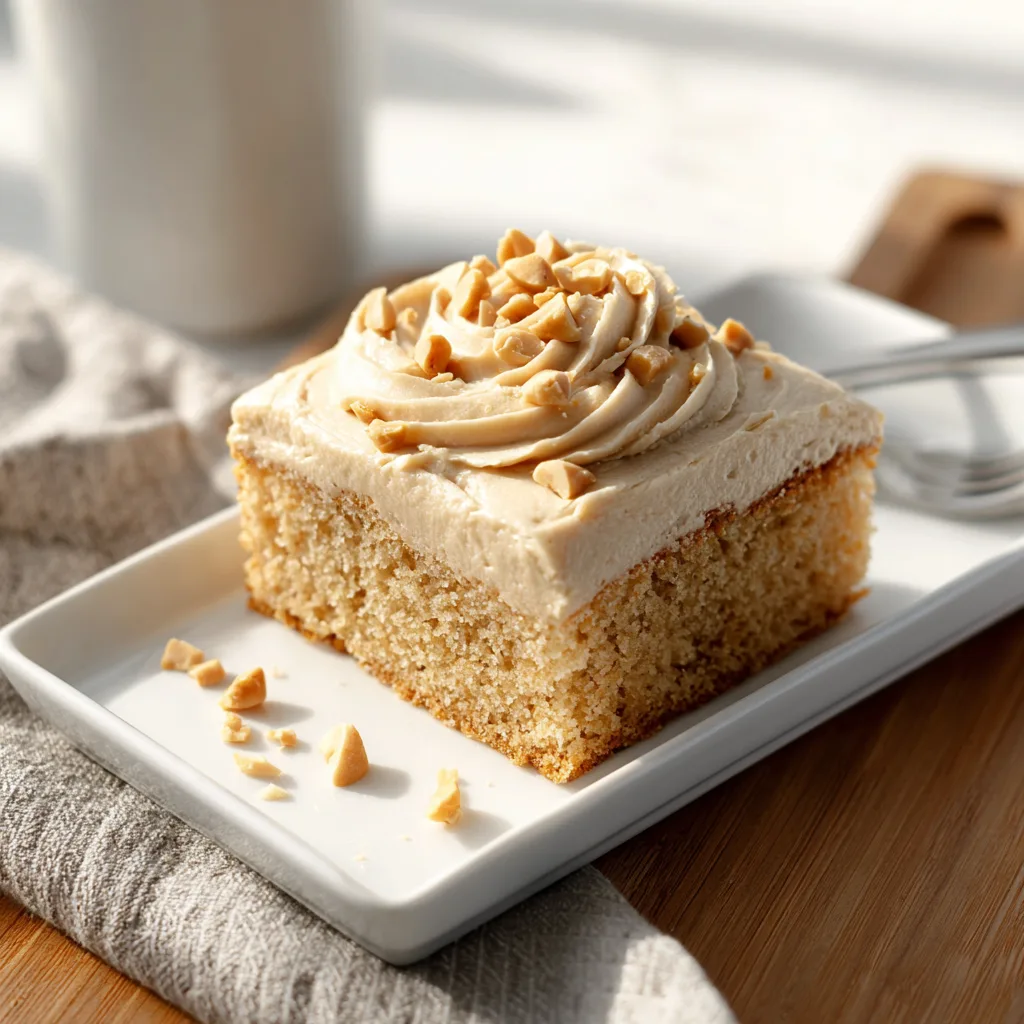
There’s a special kind of magic that happens when peanut butter meets cake. The combination of creamy, nutty richness and tender, moist cake makes for a dessert that is both comforting and indulgent. If you’ve ever wanted to bake a dessert that will delight both children and adults, impress at a party, or just satisfy a chocolate-and-peanut butter craving, the Peanut Butter Sheet Cake with Fluffy Peanut Butter Frosting is a must-try.
This article isn’t just a recipe—it’s a comprehensive guide to understanding, baking, and serving this delightful dessert. From the origins of peanut butter in baking to tips for perfect frosting, we’ll cover everything to make your peanut butter sheet cake unforgettable.
The Origins of Peanut Butter in Baking
Peanut butter has a rich history in American cuisine. Introduced in the late 19th century, it quickly became a staple ingredient in desserts. Early recipes often used peanut butter in cookies, pies, and simple sandwiches, but over time bakers began experimenting with cakes and frostings.
The concept of a sheet cake—a single-layer cake baked in a rectangular pan—is also an American classic. Sheet cakes were designed for practicality: they are easy to bake, simple to slice, and perfect for feeding large groups. When peanut butter is combined with the sheet cake format, it creates a dessert that is both practical and decadent.
Why This Peanut Butter Sheet Cake Works So Well
There are a few reasons this cake is so special:
- Moist Texture: The combination of butter, eggs, and peanut butter ensures the cake stays soft and tender.
- Rich Flavor: Peanut butter provides depth, and when combined with sugar and vanilla, it creates a dessert that is satisfyingly flavorful without being overly sweet.
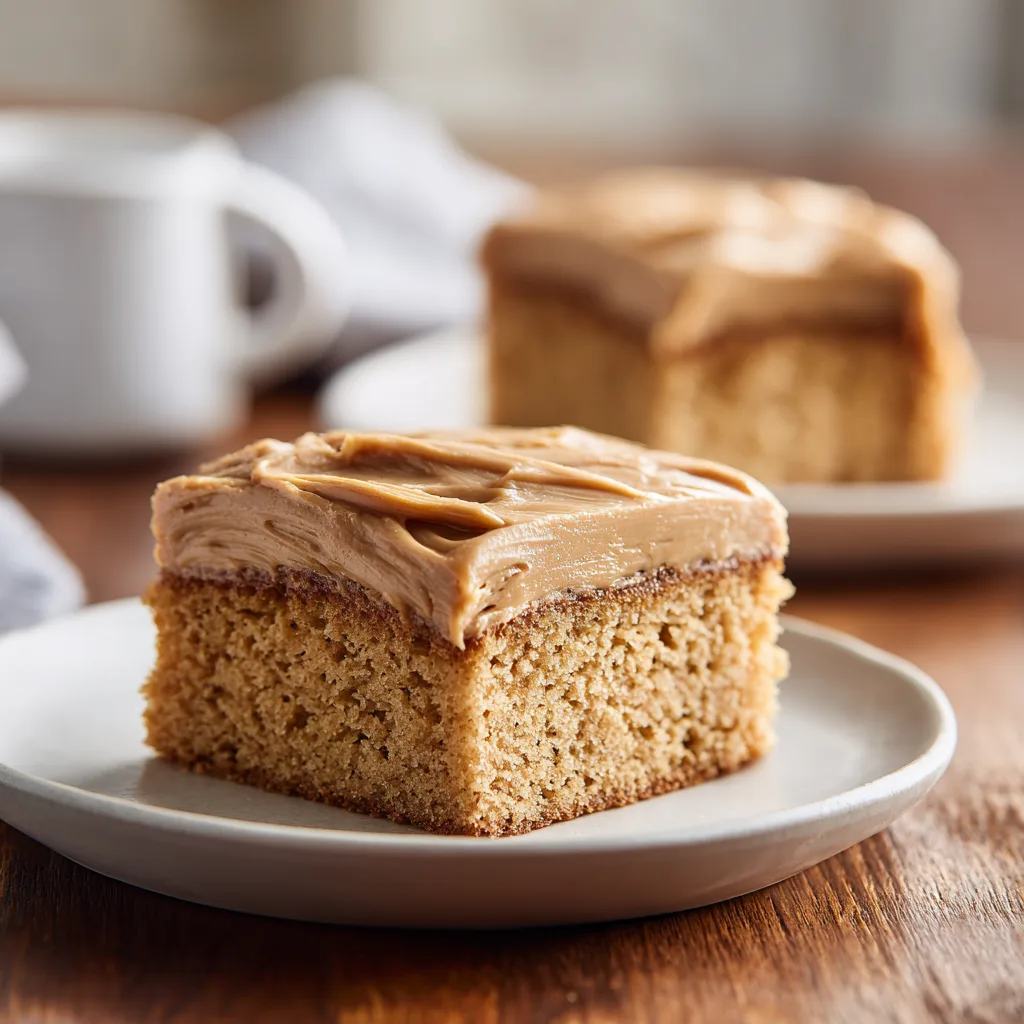
- Fluffy Frosting: The frosting isn’t heavy or greasy—it’s whipped, airy, and perfectly spreadable.
- Versatility: You can serve it as-is, top it with chocolate, or add crushed candy for variation.
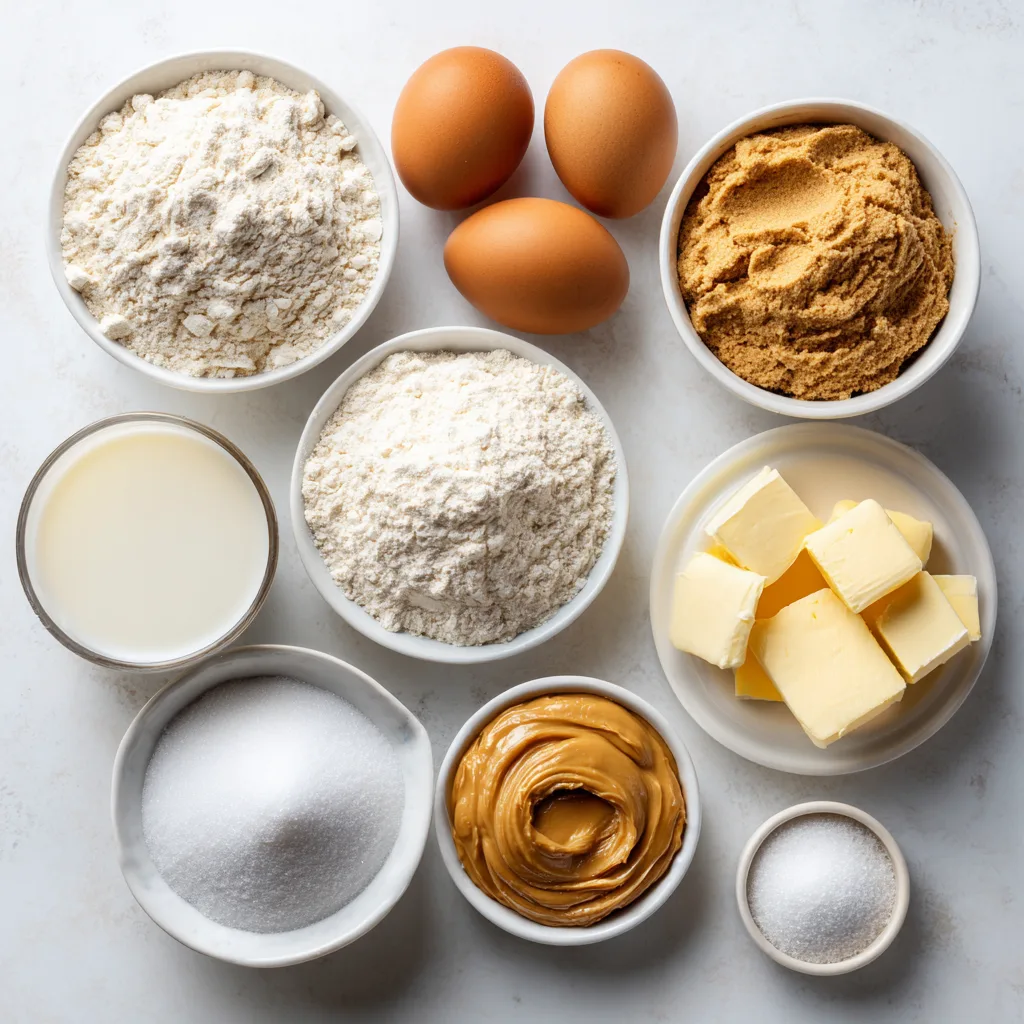
Ingredients: Choosing the Best
For the Cake
- All-purpose flour: Provides structure for a tender crumb. Avoid using self-rising flour, as the leavening in the recipe is carefully balanced.
- Baking powder and baking soda: These leavening agents ensure the cake rises perfectly. Baking soda also interacts with the peanut butter to create a subtle golden hue.
- Butter and peanut butter: Use unsalted butter for control over salt content. Creamy peanut butter works best, but you can experiment with natural peanut butter if desired.
- Sugar: Granulated sugar creates a light sweetness. Some bakers add a small amount of brown sugar to deepen the flavor.
- Eggs: Essential for structure and richness. Always use large eggs at room temperature.
- Vanilla extract: Adds warmth and rounds out flavors.
- Milk: Provides moisture and helps achieve the perfect batter consistency.
For the Frosting
- Butter and peanut butter: The base of the frosting. Using softened butter ensures smooth mixing.
- Powdered sugar: Creates sweetness and helps achieve fluffy texture. Sift it to avoid lumps.
- Milk: Adjust to control frosting consistency.
- Vanilla extract: Enhances flavor.
Optional Garnishes
- Chopped peanuts for crunch.
- Chocolate drizzle for extra indulgence.
- Crushed peanut butter cups or chocolate chips for fun variations.
Step-by-Step Baking Instructions
Baking a sheet cake may sound intimidating, but with careful preparation, it’s simple. Here’s the method broken down:
- Prepare Your Pan: Grease and line a 9×13-inch pan with parchment paper. Lining the pan ensures easy removal and cleaner slices.
- Mix Dry Ingredients: Whisk flour, baking powder, baking soda, and salt together. This ensures even distribution of leavening agents.
- Cream Butter and Peanut Butter: Beat the butter and peanut butter until smooth and creamy. This step is critical for a light, airy texture.
- Add Sugar and Eggs: Gradually incorporate sugar, then add eggs one at a time. Overbeating can create a dense cake, so mix until just combined.
- Incorporate Milk and Vanilla: Alternate adding dry ingredients and milk, beginning and ending with dry ingredients. This keeps the batter smooth and well-balanced.
- Bake: Pour batter into prepared pan and bake at 350°F (175°C) for 30–35 minutes. A toothpick inserted in the center should come out clean.
- Cool Completely: Allow the cake to cool completely before frosting. A warm cake can cause the frosting to melt and become runny.
- Prepare Frosting: Beat butter and peanut butter until creamy, gradually add powdered sugar, then milk and vanilla. Whip until fluffy.
- Frost the Cake: Spread frosting evenly over the cooled cake. Top with garnishes if desired.
Tips for Perfect Peanut Butter Sheet Cake
- Room Temperature Ingredients: Butter, eggs, and milk at room temperature ensure smooth batter and even baking.
- Mixing Techniques: Don’t overmix once you add the flour. Overmixing develops gluten, making the cake tough.
- Measuring Flour: Spoon flour into measuring cups and level it off with a knife. Scooping directly from the bag can lead to dense cake.
- Cooling: Let the cake cool completely in the pan for easier frosting. Refrigeration before frosting can help, especially in warmer climates.
- Frosting Consistency: If frosting is too thick, add milk 1 teaspoon at a time. If too thin, add more powdered sugar.
Variations and Flavor Twists
- Chocolate-Peanut Butter Sheet Cake: Add 1/2 cup cocoa powder to the dry ingredients for a chocolatey twist.
- Salted Peanut Butter Frosting: Sprinkle sea salt over the frosted cake for a sweet-and-salty combination.
- Peanut Butter Cup Topping: Chop mini peanut butter cups and sprinkle over frosting for a candy-inspired dessert.
- Vegan Version: Substitute dairy butter with vegan margarine and use a plant-based milk. Use flax eggs (1 tbsp ground flax + 3 tbsp water per egg) to replace traditional eggs.
- Nut-Free Version: Use sunflower seed butter or soy nut butter instead of peanut butter.
Serving Ideas
- Casual Gathering: Slice into squares and serve on a platter for easy sharing.
- Birthday Party: Decorate with sprinkles, chocolate chips, or piped frosting designs.
- Afternoon Treat: Serve with a glass of cold milk or hot coffee.
- Holiday Dessert: Pair with a scoop of vanilla ice cream and a drizzle of chocolate sauce.
Troubleshooting Common Problems
- Dense Cake: Often caused by overmixing or too much flour. Always measure carefully and mix gently.
- Frosting Too Runny: Chill the frosting for a few minutes or add more powdered sugar to thicken.
- Cake Cracks on Top: Usually due to overbaking. Check cake 5 minutes before suggested time.
- Peanut Butter Separation: Stir peanut butter well before adding; creamy peanut butter works best.
Storage and Make-Ahead Tips
- Room Temperature: Cake stays fresh in an airtight container for 2–3 days.
- Refrigeration: Keeps for up to a week. Allow the cake to come to room temperature before serving for best flavor.
- Freezing: Slice the cake before freezing. Wrap tightly in plastic wrap and foil. Freeze for up to 2 months. Thaw in refrigerator overnight.
- Frosting Storage: Store extra frosting in an airtight container at room temperature for 3 days or in the refrigerator for 1 week.
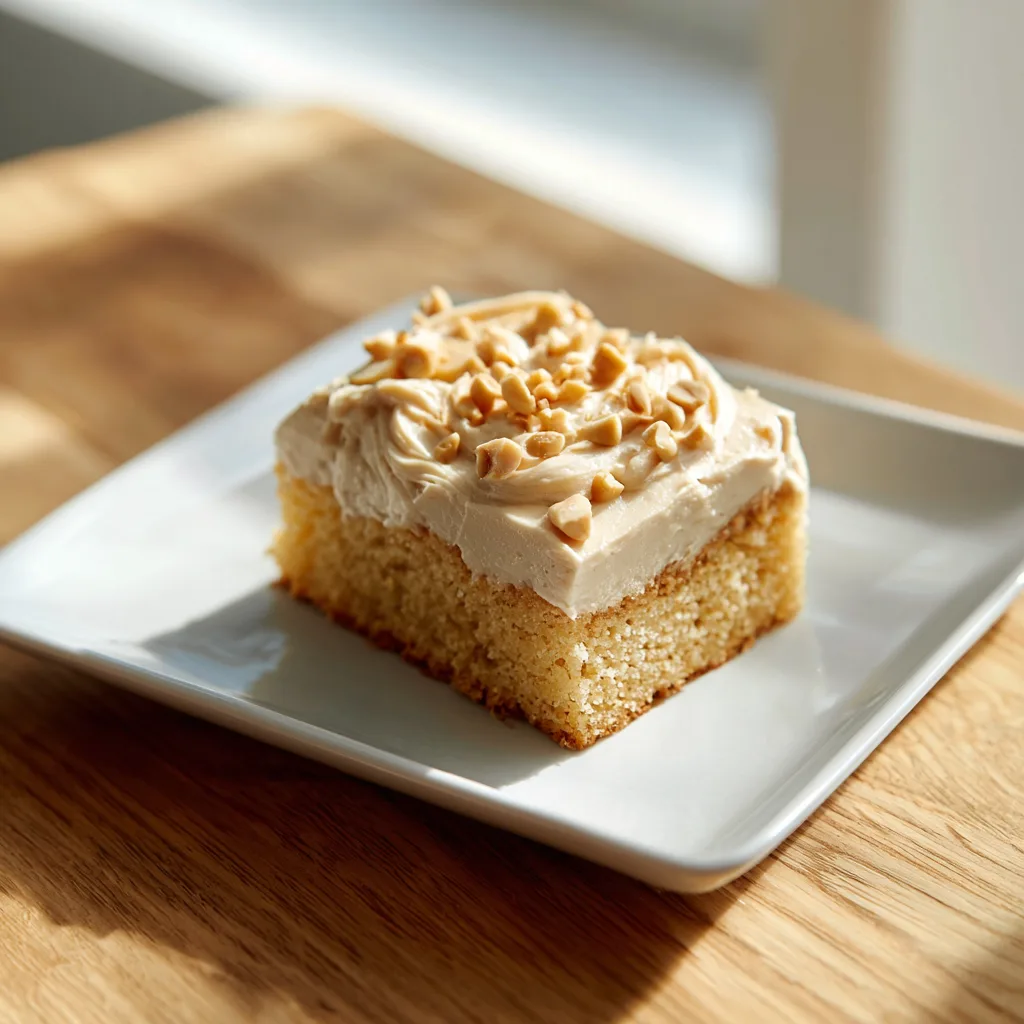
Peanut Butter Sheet Cake with Fluffy Peanut Butter Frosting
Ingredients
Equipment
Method
- Preheat oven to 350°F (175°C). Grease and line a 9×13-inch pan.
- Whisk flour, baking powder, baking soda, and salt in a bowl.
- Beat butter and peanut butter until smooth.
- Add sugar gradually, then eggs one at a time.
- Mix in vanilla. Alternate adding dry ingredients and milk until smooth.
- Pour batter into prepared pan.
- Bake 30–35 minutes or until toothpick comes out clean. Cool completely.
- Beat butter and peanut butter for frosting. Gradually add powdered sugar, then milk and vanilla until fluffy.
- Spread frosting over cooled cake. Garnish and serve.
Notes
Why This Cake is Perfect for Parties
Sheet cakes are inherently practical for entertaining. The Peanut Butter Sheet Cake is:
- Easily Sliced: Perfect for large groups, no complicated layer cutting.
- Crowd-Pleasing: Peanut butter is universally loved, and the fluffy frosting makes it extra special.
- Customizable: Garnish or drizzle to fit any theme or holiday.
- Transportable: Can be baked in disposable sheet pans for potlucks or picnics.
Healthier Tweaks
While indulgent, this cake can be adapted for slightly healthier versions:
- Use natural peanut butter with no added sugar.
- Swap half the all-purpose flour for whole wheat flour for added fiber.
- Replace sugar with coconut sugar or another natural sweetener (adjust to taste).
- Use Greek yogurt instead of butter in frosting for a tangy, lower-fat option.
Conclusion: The Ultimate Comfort Dessert
There’s a reason peanut butter desserts have endured over the decades: they’re comforting, flavorful, and universally adored. The Peanut Butter Sheet Cake with Fluffy Peanut Butter Frosting combines all the best elements of this timeless ingredient into a single, easy-to-serve dessert.
With its moist texture, rich peanut flavor, and light, airy frosting, this cake will become a staple in your baking repertoire. Whether you’re baking for a special occasion, a casual gathering, or just a weekend treat, this recipe is guaranteed to impress.
From selecting the perfect ingredients to decorating the finished cake, every step has been crafted to ensure success. So grab your mixing bowl, whip up that frosting, and get ready to enjoy one of the most indulgent, crowd-pleasing desserts imaginable.There’s a special kind of magic that happens when peanut butter meets cake. The combination of creamy, nutty richness and tender, moist cake makes for a dessert that is both comforting and indulgent. If you’ve ever wanted to bake a dessert that will delight both children and adults, impress at a party, or just satisfy a chocolate-and-peanut butter craving, the Peanut Butter Sheet Cake with Fluffy Peanut Butter Frosting is a must-try.
This article isn’t just a recipe—it’s a comprehensive guide to understanding, baking, and serving this delightful dessert. From the origins of peanut butter in baking to tips for perfect frosting, we’ll cover everything to make your peanut butter sheet cake unforgettable.
The Origins of Peanut Butter in Baking
Peanut butter has a rich history in American cuisine. Introduced in the late 19th century, it quickly became a staple ingredient in desserts. Early recipes often used peanut butter in cookies, pies, and simple sandwiches, but over time bakers began experimenting with cakes and frostings.
The concept of a sheet cake—a single-layer cake baked in a rectangular pan—is also an American classic. Sheet cakes were designed for practicality: they are easy to bake, simple to slice, and perfect for feeding large groups. When peanut butter is combined with the sheet cake format, it creates a dessert that is both practical and decadent.
Why This Peanut Butter Sheet Cake Works So Well
There are a few reasons this cake is so special:
- Moist Texture: The combination of butter, eggs, and peanut butter ensures the cake stays soft and tender.
- Rich Flavor: Peanut butter provides depth, and when combined with sugar and vanilla, it creates a dessert that is satisfyingly flavorful without being overly sweet.
- Fluffy Frosting: The frosting isn’t heavy or greasy—it’s whipped, airy, and perfectly spreadable.
- Versatility: You can serve it as-is, top it with chocolate, or add crushed candy for variation.
Ingredients: Choosing the Best
For the Cake
- All-purpose flour: Provides structure for a tender crumb. Avoid using self-rising flour, as the leavening in the recipe is carefully balanced.
- Baking powder and baking soda: These leavening agents ensure the cake rises perfectly. Baking soda also interacts with the peanut butter to create a subtle golden hue.
- Butter and peanut butter: Use unsalted butter for control over salt content. Creamy peanut butter works best, but you can experiment with natural peanut butter if desired.
- Sugar: Granulated sugar creates a light sweetness. Some bakers add a small amount of brown sugar to deepen the flavor.
- Eggs: Essential for structure and richness. Always use large eggs at room temperature.
- Vanilla extract: Adds warmth and rounds out flavors.
- Milk: Provides moisture and helps achieve the perfect batter consistency.
For the Frosting
- Butter and peanut butter: The base of the frosting. Using softened butter ensures smooth mixing.
- Powdered sugar: Creates sweetness and helps achieve fluffy texture. Sift it to avoid lumps.
- Milk: Adjust to control frosting consistency.
- Vanilla extract: Enhances flavor.
Optional Garnishes
- Chopped peanuts for crunch.
- Chocolate drizzle for extra indulgence.
- Crushed peanut butter cups or chocolate chips for fun variations.
Step-by-Step Baking Instructions
Baking a sheet cake may sound intimidating, but with careful preparation, it’s simple. Here’s the method broken down:
- Prepare Your Pan: Grease and line a 9×13-inch pan with parchment paper. Lining the pan ensures easy removal and cleaner slices.
- Mix Dry Ingredients: Whisk flour, baking powder, baking soda, and salt together. This ensures even distribution of leavening agents.
- Cream Butter and Peanut Butter: Beat the butter and peanut butter until smooth and creamy. This step is critical for a light, airy texture.
- Add Sugar and Eggs: Gradually incorporate sugar, then add eggs one at a time. Overbeating can create a dense cake, so mix until just combined.
- Incorporate Milk and Vanilla: Alternate adding dry ingredients and milk, beginning and ending with dry ingredients. This keeps the batter smooth and well-balanced.
- Bake: Pour batter into prepared pan and bake at 350°F (175°C) for 30–35 minutes. A toothpick inserted in the center should come out clean.
- Cool Completely: Allow the cake to cool completely before frosting. A warm cake can cause the frosting to melt and become runny.
- Prepare Frosting: Beat butter and peanut butter until creamy, gradually add powdered sugar, then milk and vanilla. Whip until fluffy.
- Frost the Cake: Spread frosting evenly over the cooled cake. Top with garnishes if desired.
Tips for Perfect Peanut Butter Sheet Cake
- Room Temperature Ingredients: Butter, eggs, and milk at room temperature ensure smooth batter and even baking.
- Mixing Techniques: Don’t overmix once you add the flour. Overmixing develops gluten, making the cake tough.
- Measuring Flour: Spoon flour into measuring cups and level it off with a knife. Scooping directly from the bag can lead to dense cake.
- Cooling: Let the cake cool completely in the pan for easier frosting. Refrigeration before frosting can help, especially in warmer climates.
- Frosting Consistency: If frosting is too thick, add milk 1 teaspoon at a time. If too thin, add more powdered sugar.
Variations and Flavor Twists
- Chocolate-Peanut Butter Sheet Cake: Add 1/2 cup cocoa powder to the dry ingredients for a chocolatey twist.
- Salted Peanut Butter Frosting: Sprinkle sea salt over the frosted cake for a sweet-and-salty combination.
- Peanut Butter Cup Topping: Chop mini peanut butter cups and sprinkle over frosting for a candy-inspired dessert.
- Vegan Version: Substitute dairy butter with vegan margarine and use a plant-based milk. Use flax eggs (1 tbsp ground flax + 3 tbsp water per egg) to replace traditional eggs.
- Nut-Free Version: Use sunflower seed butter or soy nut butter instead of peanut butter.
Serving Ideas
- Casual Gathering: Slice into squares and serve on a platter for easy sharing.
- Birthday Party: Decorate with sprinkles, chocolate chips, or piped frosting designs.
- Afternoon Treat: Serve with a glass of cold milk or hot coffee.
- Holiday Dessert: Pair with a scoop of vanilla ice cream and a drizzle of chocolate sauce.
Troubleshooting Common Problems
- Dense Cake: Often caused by overmixing or too much flour. Always measure carefully and mix gently.
- Frosting Too Runny: Chill the frosting for a few minutes or add more powdered sugar to thicken.
- Cake Cracks on Top: Usually due to overbaking. Check cake 5 minutes before suggested time.
- Peanut Butter Separation: Stir peanut butter well before adding; creamy peanut butter works best.
Storage and Make-Ahead Tips
- Room Temperature: Cake stays fresh in an airtight container for 2–3 days.
- Refrigeration: Keeps for up to a week. Allow the cake to come to room temperature before serving for best flavor.
- Freezing: Slice the cake before freezing. Wrap tightly in plastic wrap and foil. Freeze for up to 2 months. Thaw in refrigerator overnight.
- Frosting Storage: Store extra frosting in an airtight container at room temperature for 3 days or in the refrigerator for 1 week.
Why This Cake is Perfect for Parties
Sheet cakes are inherently practical for entertaining. The Peanut Butter Sheet Cake is:
- Easily Sliced: Perfect for large groups, no complicated layer cutting.
- Crowd-Pleasing: Peanut butter is universally loved, and the fluffy frosting makes it extra special.
- Customizable: Garnish or drizzle to fit any theme or holiday.
- Transportable: Can be baked in disposable sheet pans for potlucks or picnics.
Healthier Tweaks
While indulgent, this cake can be adapted for slightly healthier versions:
- Use natural peanut butter with no added sugar.
- Swap half the all-purpose flour for whole wheat flour for added fiber.
- Replace sugar with coconut sugar or another natural sweetener (adjust to taste).
- Use Greek yogurt instead of butter in frosting for a tangy, lower-fat option.
Conclusion: The Ultimate Comfort Dessert
There’s a reason peanut butter desserts have endured over the decades: they’re comforting, flavorful, and universally adored. The Peanut Butter Sheet Cake with Fluffy Peanut Butter Frosting combines all the best elements of this timeless ingredient into a single, easy-to-serve dessert.
With its moist texture, rich peanut flavor, and light, airy frosting, this cake will become a staple in your baking repertoire. Whether you’re baking for a special occasion, a casual gathering, or just a weekend treat, this recipe is guaranteed to impress.
From selecting the perfect ingredients to decorating the finished cake, every step has been crafted to ensure success. So grab your mixing bowl, whip up that frosting, and get ready to enjoy one of the most indulgent, crowd-pleasing desserts imaginable.