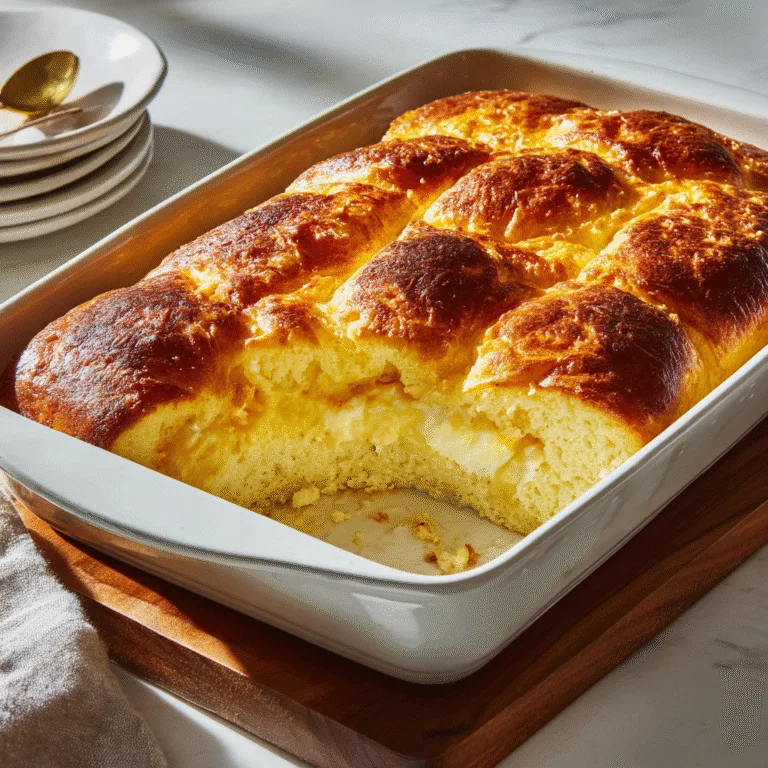
Traditional Irish Potato Farls – A Classic Breakfast Delight
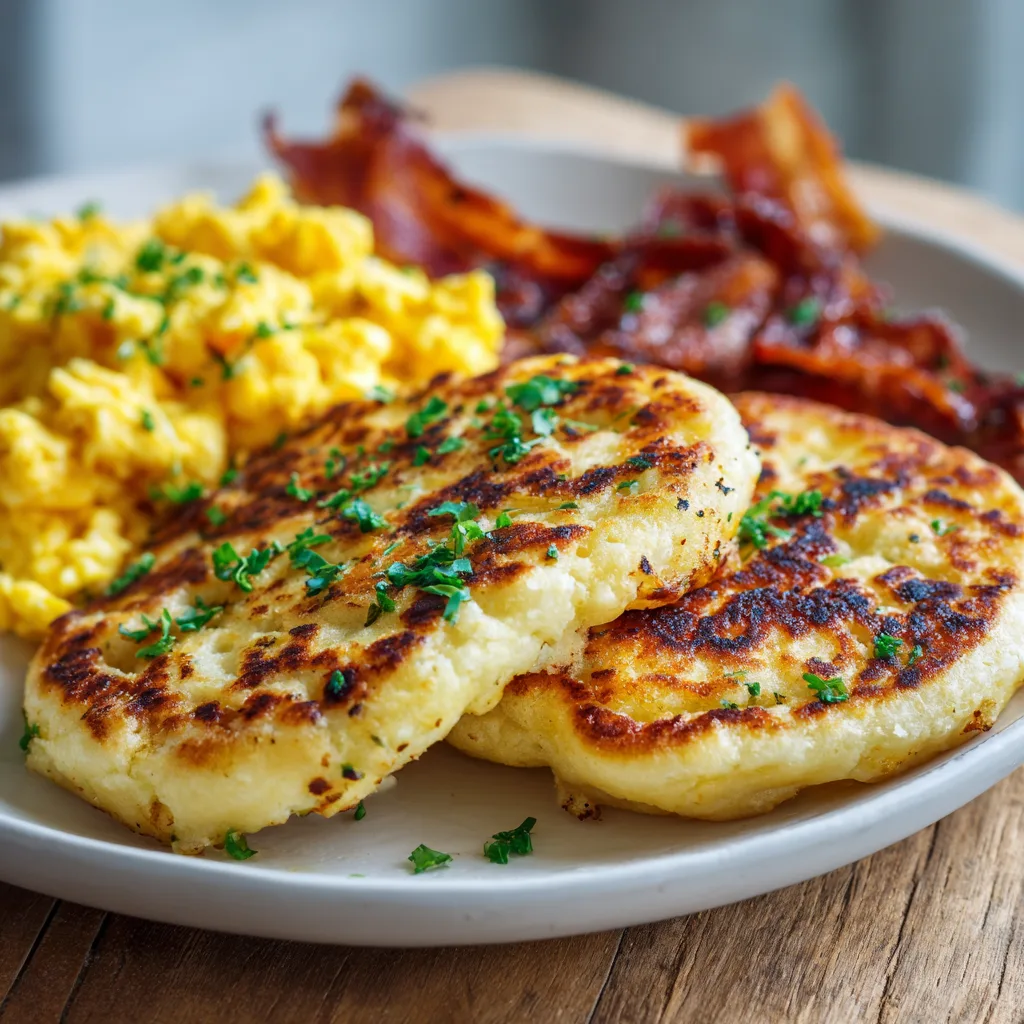
Potatoes have long been an essential part of Irish cuisine, and one of the most iconic ways they are enjoyed is in Potato Farls. Often served as part of a traditional Irish breakfast, potato farls are simple, comforting, and utterly delicious. They are a type of potato bread that is pan-fried until golden brown, with a crisp exterior and a tender, fluffy interior. Despite their simplicity, they carry centuries of history and cultural significance.
A Little History
The term “farl” comes from the old word fardel, meaning a quarter of something, which perfectly describes the shape of the bread. Traditionally, the dough was rolled into a round, then cut into four wedges before cooking on a griddle or skillet. Potato farls are particularly associated with Northern Ireland, where they remain a staple in breakfast plates alongside eggs, sausages, bacon, and tomatoes.
Potatoes themselves have a long and storied history in Ireland. Introduced in the late 16th century, they became a dietary staple, especially among the working class. The creation of potato farls is a reflection of Irish ingenuity—turning humble ingredients into hearty, flavorful bread that could sustain families through long days. Today, potato farls are not just breakfast fare; they are enjoyed as snacks, side dishes, or even lunch sandwiches.
Ingredients
To make traditional potato farls, you only need a handful of ingredients. This simplicity is part of their charm:
- Potato Farls Base:
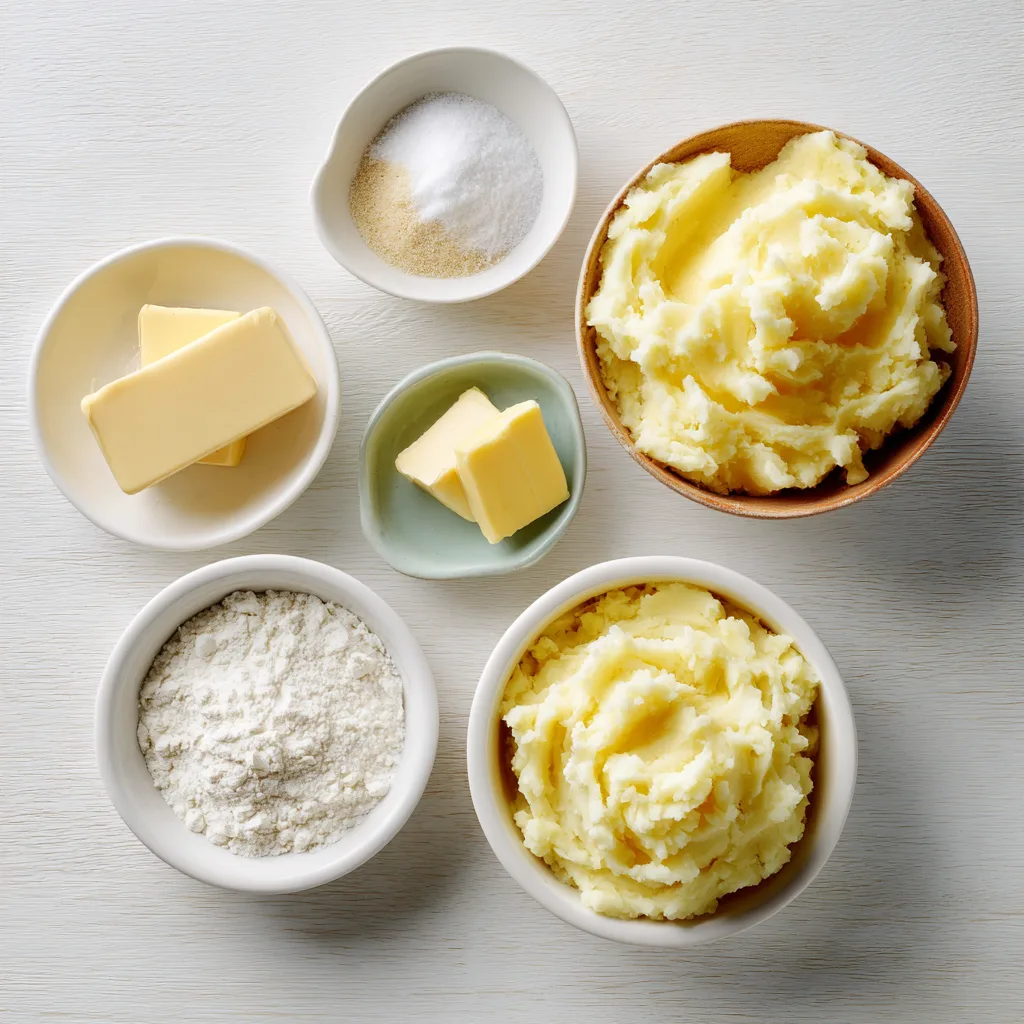
- 2 cups mashed potatoes (about 2 large potatoes, peeled and boiled)
- 1 ½ cups all-purpose flour
- 1 tsp salt
- ½ tsp baking soda
- 2 tbsp butter, melted
- 1–2 tbsp milk (optional, for dough consistency)
- Optional Toppings & Sides:
- Butter for spreading
- Fried eggs
- Irish bacon or sausage
- Chives or parsley for garnish
Step-by-Step Instructions
- Cook the Potatoes
Begin by peeling, chopping, and boiling potatoes until tender, roughly 15–20 minutes depending on size. Drain well and mash thoroughly until smooth. This ensures a silky texture in your farls. - Prepare the Dough
In a large mixing bowl, combine the mashed potatoes with flour, salt, baking soda, and melted butter. Mix gently until a soft dough forms. If it feels dry, add 1–2 tablespoons of milk gradually. Be careful not to overmix, as overworking the dough can result in dense farls. - Shape the Farls
Transfer the dough to a lightly floured surface. Divide into two equal portions. Roll each portion into a circle about ½ inch thick. Cut each circle into four wedges, forming the traditional farl shape. This is where the term “farl” originates—from the four parts of the circle. - Pan-Fry to Golden Perfection
Heat a non-stick skillet or cast-iron pan over medium heat. Lightly grease with butter or oil. Place the farls into the hot pan and cook for 3–4 minutes per side, or until golden brown. Adjust heat as necessary to ensure they cook evenly inside without burning on the outside. - Serve Warm
Once cooked, transfer the farls to a plate lined with paper towels to remove any excess oil. Serve immediately with butter or as part of a full Irish breakfast plate.
Variations to Try
Potato farls are versatile, and you can easily customize them for flavor or dietary preference:
- Cheese Potato Farls: Mix in ½ cup grated cheddar for a savory, melty surprise.
- Herb-Infused Farls: Fold in finely chopped parsley, chives, or thyme for added freshness.
- Sweet Potato Farls: Replace half of the regular potatoes with sweet potatoes for a naturally sweeter bread.
- Vegan Farls: Use plant-based butter and skip milk or use almond milk to make a vegan version.
Serving Suggestions
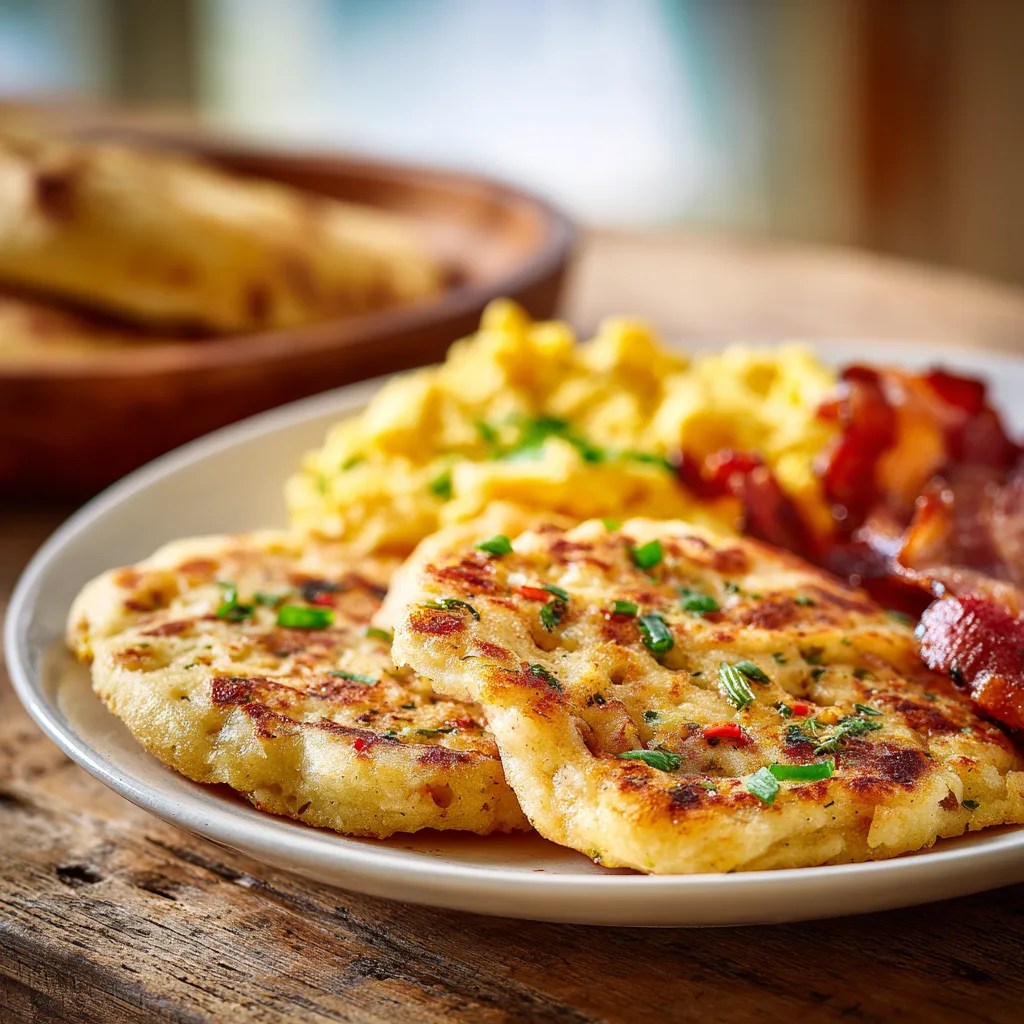
- Classic Irish Breakfast: Serve with fried eggs, sausages, bacon, and sautéed tomatoes for a complete morning meal.
- Snack or Brunch: Enjoy with butter and jam, or topped with smoked salmon and cream cheese.
- Sandwich Base: Slice horizontally and fill with scrambled eggs, bacon, or sautéed mushrooms for a hearty breakfast sandwich.
Tips for Perfect Potato Farls
- Use starchy potatoes like Russets or Yukon Golds for fluffier texture.
- Avoid overworking the dough to prevent tough farls.
- Keep the pan at medium heat to achieve a golden exterior without undercooked centers.
- Store leftovers in the fridge, and reheat in a pan or toaster for crispiness.
- For extra flavor, brush with melted butter or sprinkle lightly with coarse sea salt.
The Cultural Significance of Potato Farls
Potato farls are more than just breakfast bread—they’re a symbol of Irish ingenuity and resilience. They embody the ability to create delicious meals with simple, readily available ingredients. Sharing potato farls during a morning meal is a ritual in many Irish households, connecting generations through food.
Farls are often made in large batches, perfect for feeding families or guests during holidays like St. Patrick’s Day or Christmas. They also serve as a comfort food, evoking memories of home-cooked meals and familial gatherings.
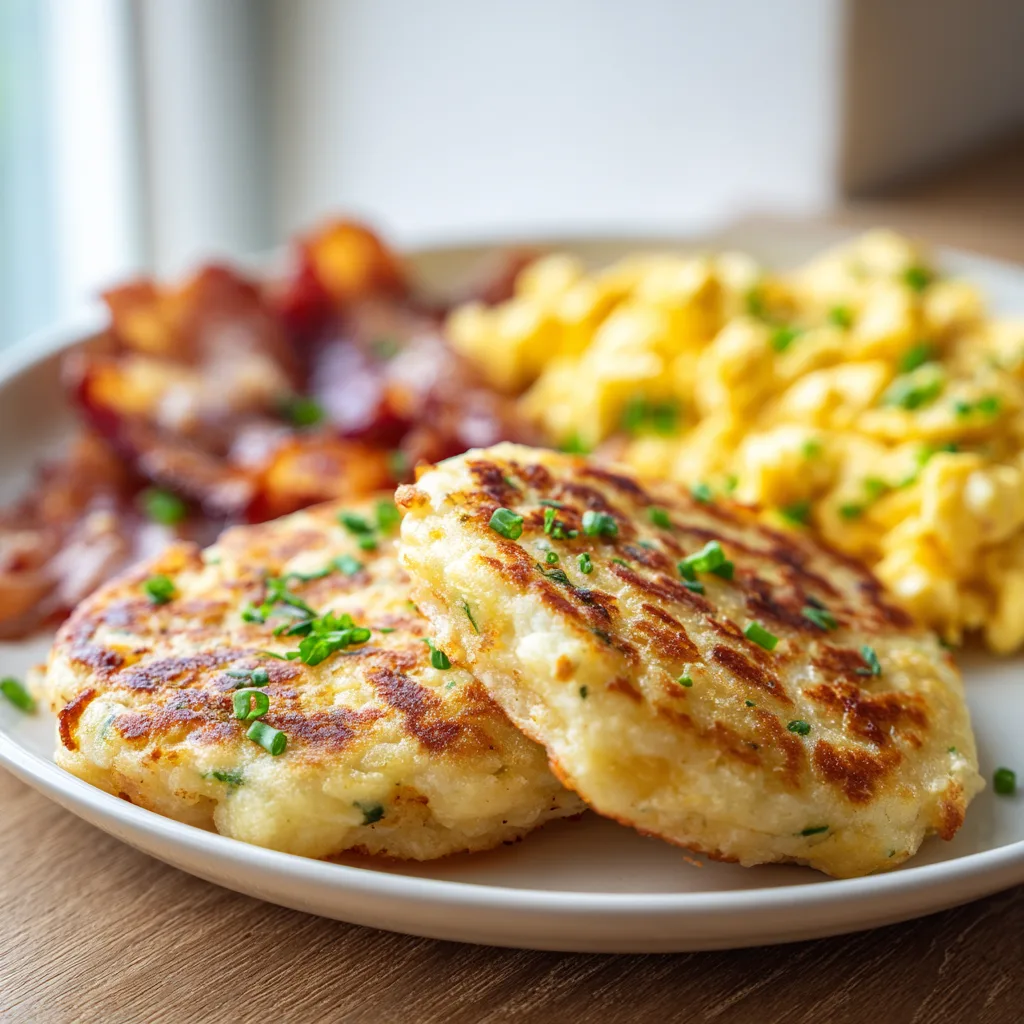
Traditional Irish Potato Farls
Ingredients
Equipment
Method
- Peel, chop, and boil potatoes until tender. Drain and mash until smooth.
- Combine mashed potatoes, flour, salt, baking soda, and melted butter in a bowl. Mix to form a soft dough. Add milk if needed.
- Turn dough onto floured surface. Divide into 2 circles, then cut each circle into 4 wedges.
- Heat skillet over medium heat, lightly grease with butter or oil.
- Cook farls 3-4 minutes per side until golden brown.
- Serve immediately with butter or as part of a traditional Irish breakfast.